
Advancing pelvic health
Building a new standard for pelvic care.
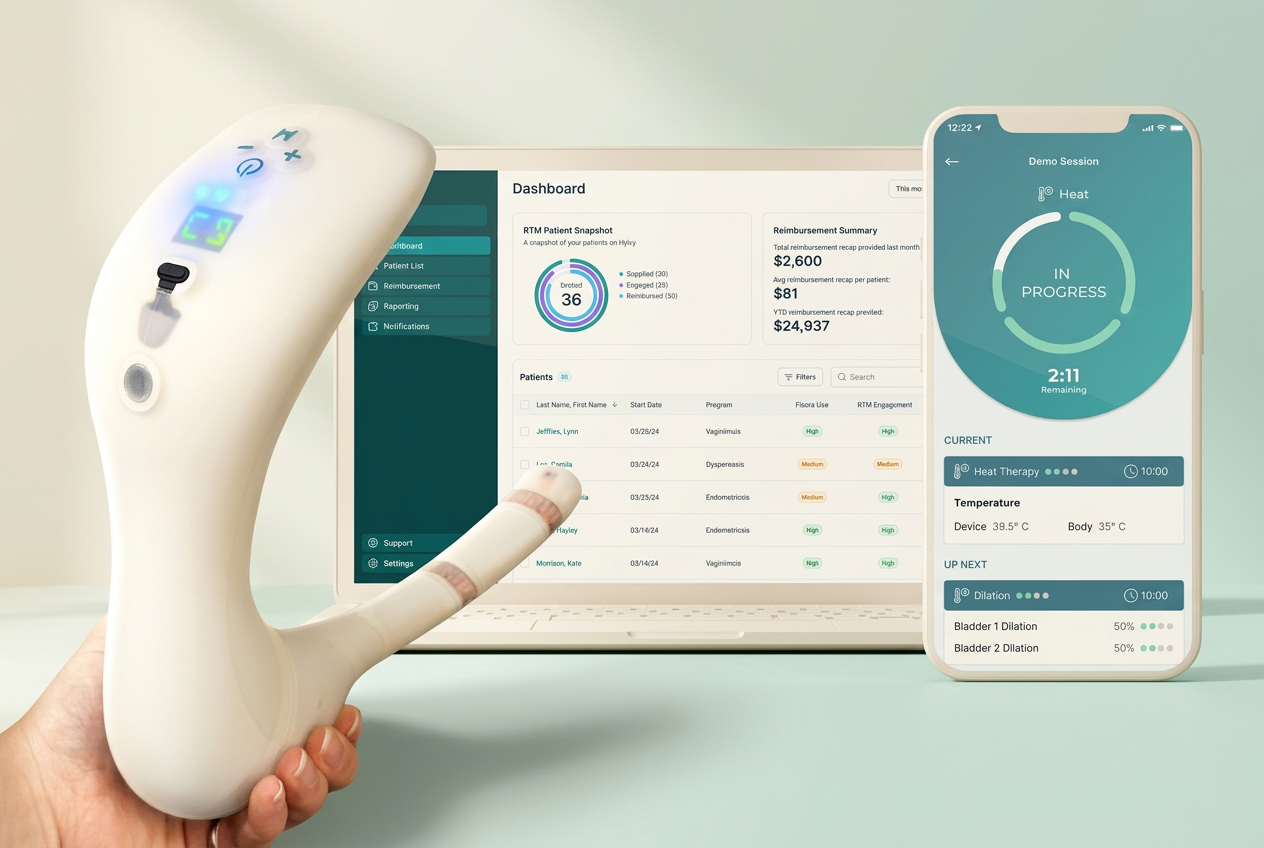
Hyivy connects an at-home therapeutic device, an intuitive patient app, and clinician-grade data to strengthen care delivery.
Floora is currently not for sale and not yet cleared by the FDA.
Why Hyivy
live with chronic pelvic pain caused by over 75 different conditions
Pelvic health needs a system built for care.
Hyivy is a Canadian medical technology company building the infrastructure chronic pelvic care has always needed. We bring clinical-level therapy into the home while helping care teams see progress between appointments.
- Better at-home care with visible progress
- Objective data for more informed clinical decisions
- A connected experience for patients and care teams
- A scalable model designed to strengthen delivery
The Hyivy system
One device. One app. One connected data platform.
Designed to work together, Hyivy's connected system extends pelvic care beyond the clinic and helps make every step more measurable.
Inside the Floora device
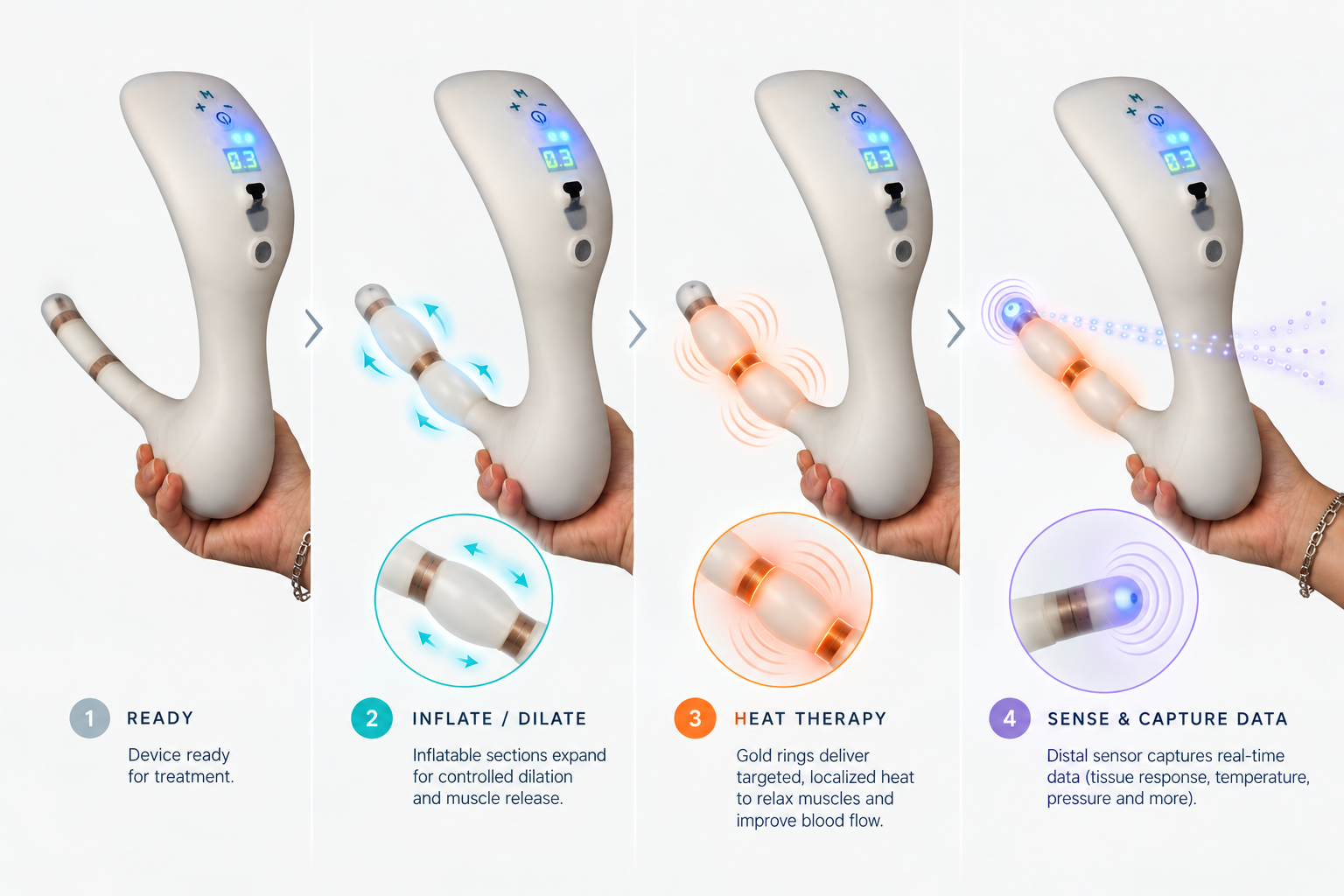
Swipe to see each step
Growing impact
Care informed by real experience.
Hyivy is working alongside patients, clinicians, and researchers to build a more connected future for pelvic health.







Our founder story
Built from lived experience.
Hyivy was founded after Rachel's own cervical cancer diagnosis opened her eyes to how little support exists for people living with pelvic health conditions. Navigating treatment and recovery, she experienced firsthand the gap between appointments — the place where real life happens, and where patients are most often left on their own.
That experience became Hyivy: a connected system of care that brings guided, dignified pelvic therapy into the home and keeps patients, clinicians, and researchers working from the same picture.
Rachel Bartholomew
Founder & CEO
A better path forward
Let's build the future of pelvic care together.
Whether you're a patient, clinician, researcher, or partner, we'd like to hear from you.
We are currently looking for innovation partners who have sensors to test, clinical trial site locations on different indications, ongoing focus groups with patients and pilot site locations with Pelvic Medicine specialists in the USA